Throughout history, many cultures and religions around the world have expressed deep respect and honor for their ancestors. This reverence takes various forms, from rituals and ceremonies to daily practices and belief systems. The underlying theme across these diverse cultures is the profound recognition that ancestors serve as a bridge between the past and the present, shaping identities, guiding values, and influencing moral decisions.
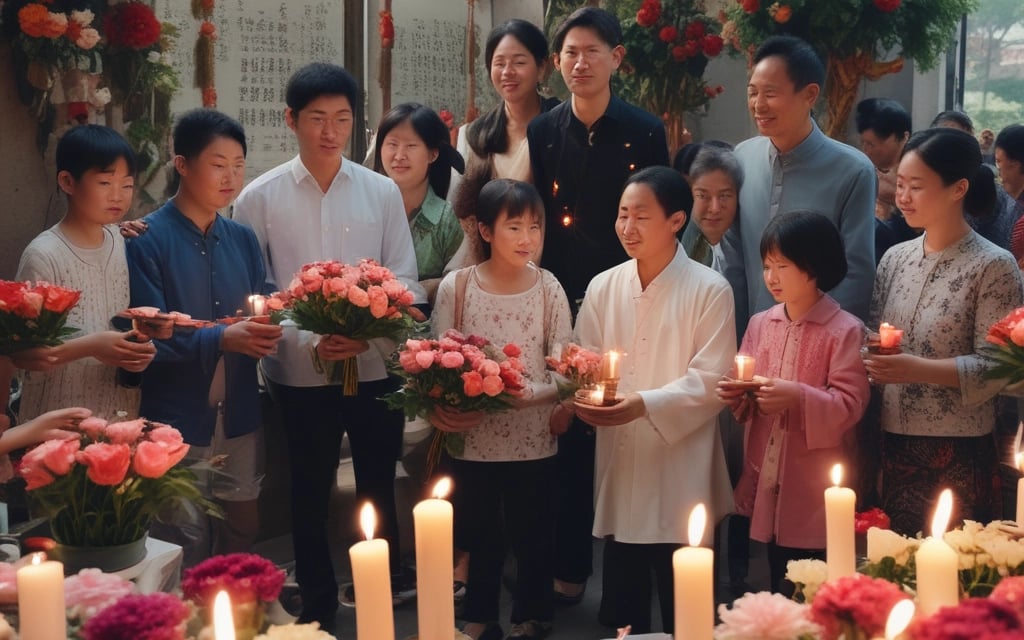
One prominent example is found in Chinese culture, where ancestor worship plays a crucial role in familial and societal structures. The Chinese belief in Filial Piety, or "Xiao," emphasizes respect and duty towards one's parents and ancestors. This concept is deeply embedded in Confucian beliefs and manifests in annual traditions such as the Qingming Festival, during which families visit the graves of their ancestors to clean, make offerings, and celebrate their memories. The underlying belief is that ancestors should be honored for their sacrifices and contributions, guiding the living in their conduct and decisions. This respect not only strengthens family ties but also fosters a sense of continuity and connection through generations.
In many indigenous cultures, honoring ancestors is integral to community life and identity. For example, in various Native American traditions, ancestors are revered through storytelling, ceremonies, and rituals that acknowledge their guidance and wisdom. The concept of "All My Relations" emphasizes interconnectedness among all living beings, suggesting that the wisdom of the ancestors flows through the descendants. This worldview cultivates a sense of responsibility towards the land, community, and future generations, anchoring individuals in a collective historical narrative.
Similarly, in African cultures, ancestral veneration is a central practice. Many African traditional religions believe that ancestors play an active role in the lives of their descendants. Rituals such as libations, offerings, and communal feasts honor the spirits of the ancestors and seek their guidance and blessings. This reverence reinforces the value of oral traditions, emphasizing stories of ancestors that teach moral lessons and provide cultural continuity. In societies where the past is honored, individuals gain a sense of identity and purpose, recognizing themselves as part of a larger historical framework.
In Hinduism, the concept of honoring ancestors, or "Pitrs," is also significant. The annual ritual known as "Shraddha" is performed to pay tribute to deceased relatives, believed to ensure their peace in the afterlife and to solicit blessings for the living. The act of remembering ancestors during specific rituals reinforces the idea of karma and dharma, reminding individuals to conduct their lives with integrity and respect. The emphasis on ancestral respect in Hindu culture fosters a sense of duty and community, encouraging individuals to maintain family honor while navigating contemporary life.
Moreover, in various forms of Buddhism, particularly in the Mahayana tradition, honoring ancestors is also an essential practice. The belief in the interconnectedness of all beings suggests that the actions of ancestors affect the present and future. Celebrations such as "Obon" in Japan provide opportunities for families to honor their deceased relatives, welcoming their spirits back to the physical world with rituals, offerings, and dances. This practice instills a sense of gratitude and humility, influencing how individuals view life, death, and the cycles of existence.
In Western contexts, especially within the framework of Christianity, honoring ancestors may not be as directly ritualistic as in other cultures but still permeates the faith. The practice of commemorating saints and the dead, particularly during seasons like All Souls' Day, reflects a respect for those who have come before. The belief in a shared communion of saints emphasizes the importance of inter-generational connections and acknowledges the influence of ancestors in shaping faith and morality.
In addition to these specific practices, the respect for ancestors often translates into cultural ethos that influences lifestyles and attitudes. In cultures that honor their ancestors, there is typically a strong sense of identity and continuity. This respect guides individuals in their decisions, creating a framework where moral values, community cohesion, and a shared sense of purpose become pivotal. The acknowledgment of ancestral contributions fosters gratitude and an understanding of life as a continuum rather than a disparate series of events.
Across all these cultures, the manner in which ancestors are honored and respected serves to instill values that guide individuals in their interactions with the world. The belief systems formed around ancestral worship promote harmony, responsibility, and a profound sense of belonging. By recognizing and celebrating those who have paved the way, individuals are often more engaged with their present circumstances, making life choices that reflect their heritage and uphold the legacy of their ancestors.
Ultimately, the traditions surrounding ancestral respect highlight a universal understanding of life's interconnectedness. Regardless of the specific beliefs or practices, honoring ancestors provides individuals and communities with a compass, guiding their lives in meaningful ways that connect the past, present, and future.
Understanding and Acknowledging the Power of the Ancestors
Andreas Goldemann uses movement, sound and reflection.
He sings in an ancient language of the Soul to open up closed structures and release negative energies, so that you are free — physically, emotionally, mentally and spiritually.
Connect
Embrace your roots for a joyful future.
Join
© 2025. All rights reserved.